About this product
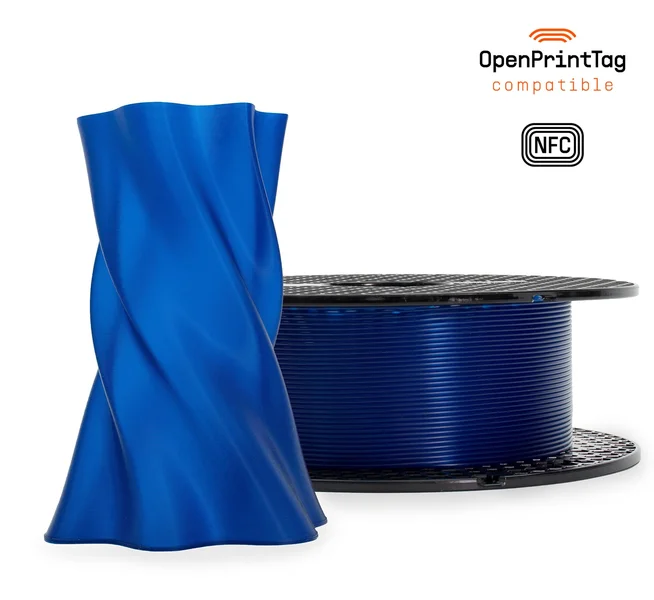
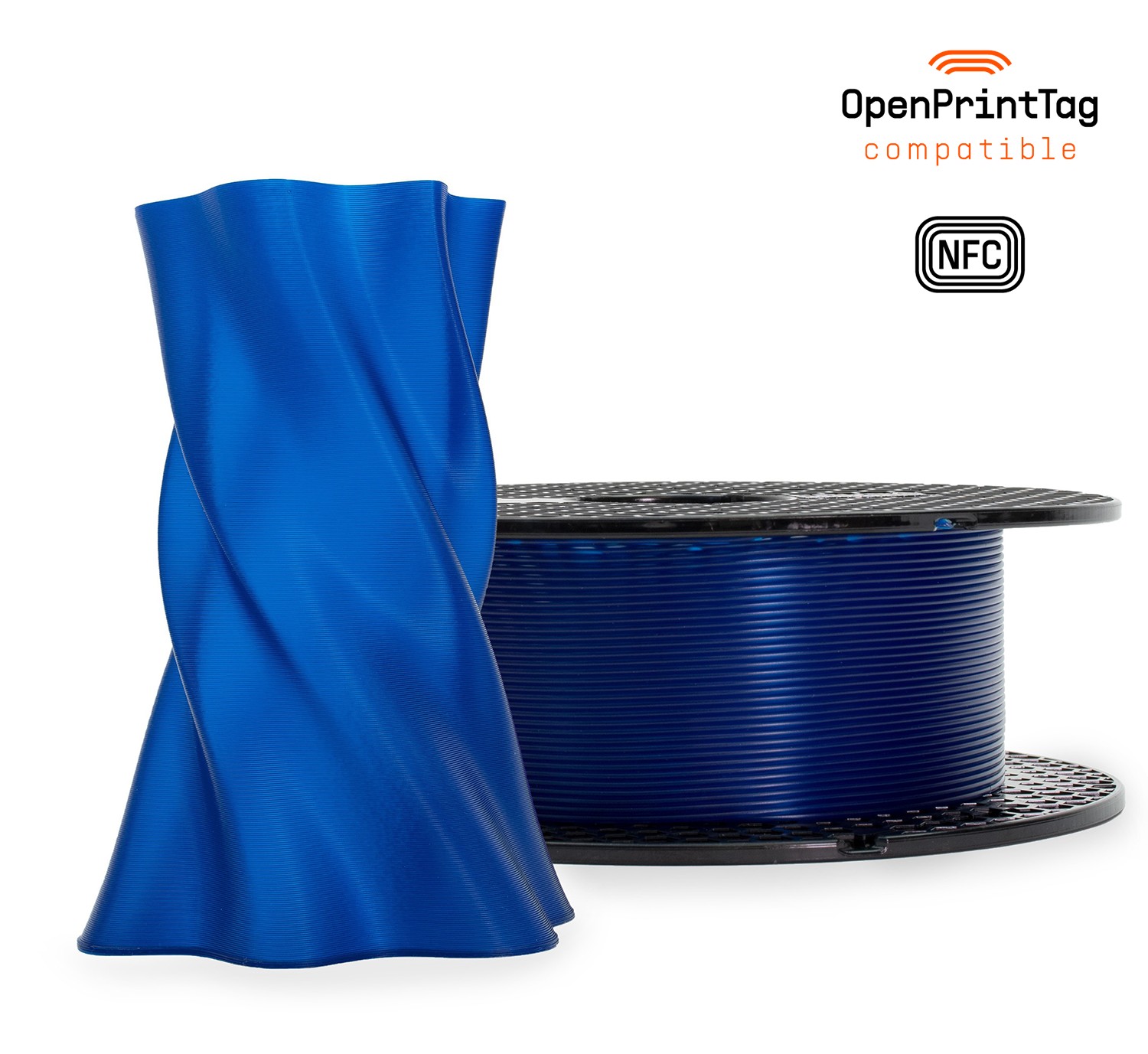
About PVB Polyvinyl butyral (PVB) is a design material suitable mostly for visual purposes. Thanks to its translucency and easy smoothing with isopropyl alcohol, PVB is great for printing visual models such as unconventional vases, jewelry, lampshades, and other design elements. Its most notable benefit is its easy solubility (in isopropyl alcohol), which allows users to create models with a glass-like finish. Combining translucency and easy smoothing expands the field of use. Movie props, costume parts, and other unusual models are just some of the many options. Additionally, due to its low warping PVB is suitable for printing large models. Print settings of PVB are similar to PLA, and mechanical properties are slightly better (similar to CPE or PETG). Printing Setup Nozzle 215 ±10 °C Heatbed 75 °C Recommended Steel Sheet Smooth PEI / Satin Before printing, learn about print surface preparation in our dedicated article and material table. Basic Attributes Easy to print (similar to PLA) Poor high-temperature resistance Ideal for design parts, vases, lamp shades etc. Hygroscopic filament (absorbs moisture) IPA chemical smoothing Poor layer-to-layer adhesion (slightly worse than PLA) Great surface adhesion Good mechanical properties (similar to CPE/PETG) Low warping (lower than PLA) New spools equipped with OpenPrintTag Prusament filaments are wound on a redesigned spool that introduces several improvements for an even better printing experience, starting in October 2025. The new spool features a simple locking mechanism that makes disassembly quick and easy, allowing effortless refills. It also stays secure during filament drying, even at higher temperatures. And with its slimmer dimensions, the spool ensures compatibility with a wide range of multi-color and multi-material printing systems. Every new Prusament spool now comes with a fully rewritable NFC tag powered by the OpenPrintTag standard . It’s designed to work across brands and ecosystems
Manufacturer
Details
- Category: 3D Printer Accessories
- Made in: 🇨🇿 Czech Republic
- Buy from producer
- Visit manufacturer's website