About this product
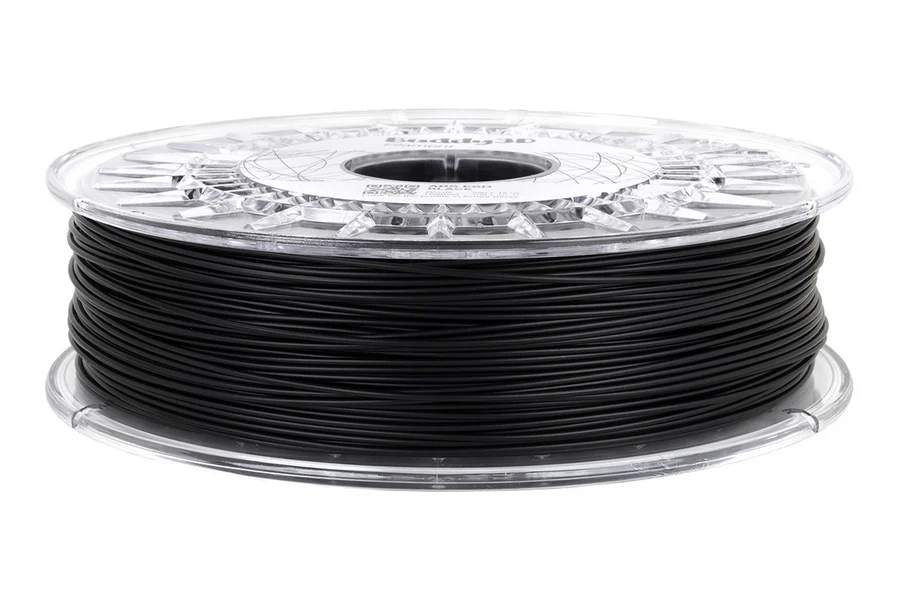
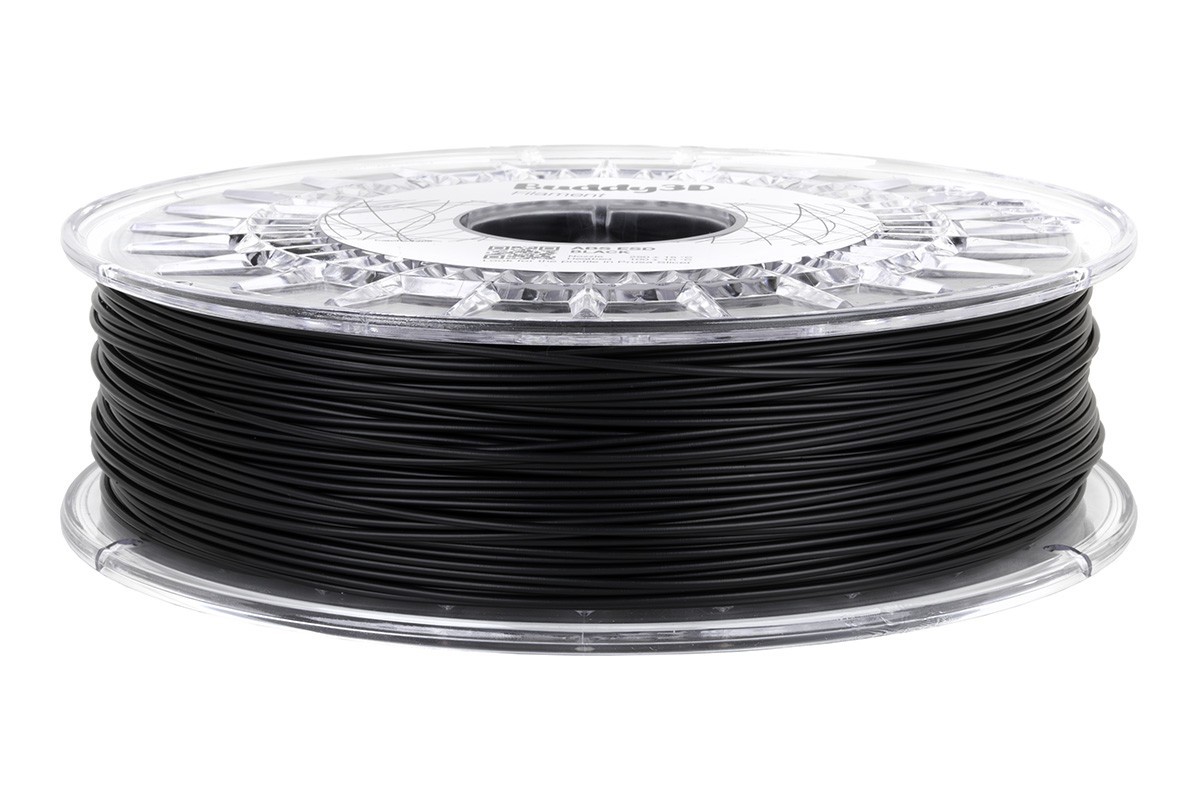
What can you expect? Buddy3D is a high-quality brand that goes through our strict quality control. The Buddy3D filaments are made in the EU and properly certified. All filament spools have perfect winding , beautiful colors, and 0.04 mm precision. We pick the colors and materials that are not covered by Prusament and that are hard to be found anywhere else. Want to know the full story? Learn more about the origin of Buddy3D on our Prusa blog. About ABS ESD ABS ESD is a material filled with carbon nanofibers. This gives the ABS ESD antistatic properties, which are especially usable for printing various components of electronic parts prone to damage with electrostatic discharge. ABS is a very strong and versatile material with great thermal resistance, with signs of little to no deformation up to 98 °C. It’s suitable for both indoor and outdoor use. ABS includes high wear-resistance synthetic rubber, which makes it very strong and impact resistant. And last but not least, it’s soluble in acetone! Printing Setup Nozzle 255 °C Heatbed 100 °C * Recommended Steel Sheet Satin * You can set the bed temperature between 80 to 110 °C depending the size of an object (larger object means higher temperature) Before printing, learn about print surface preparation in our dedicated article and material table. Basic Attributes Antistatic properties Bad smell High impact and heat resistance Worse resolution Strong and versatile Requires enclosure Soluble in acetone (easy post-processing) Contains styrene (potentially harmful fumes) Can be vapor smoothed Not abrasive: hardened steel nozzle is not required Beginners tips & tricks Printing in enclosure Thermal contraction is where ABS makes it really hard to successfully print something. And that’s especially true when printing anything larger. Even with the heatbed at 100 °C, your part may start lifting from the build plate and warp. We recommend addressing this issue by printing inside an enclosure wit
Manufacturer
Details
- Category: 3D Printer Accessories
- Made in: 🇨🇿 Czech Republic
- Buy from producer
- Visit manufacturer's website